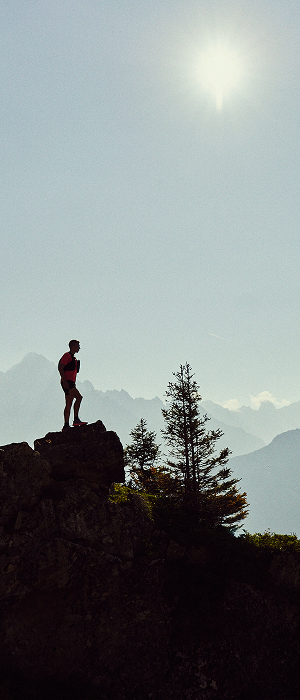




Ultra runner James Gibson has set a new record time for the Double Bob Graham Round AND become the first person to complete it in Winter.
The INOV8 athlete twice looped the famous 66-mile, 42-peak circuit of the Lake District’s highest fells in 42hrs 56mins. He beat the previous record, set by Caspian James, by almost an hour.
Starting on December 27th in Keswick, James first completed an anticlockwise loop in 19:39:41. After a short break – and with the clock still ticking – he then turned around and did a clockwise loop in 22:56:65.
Only a select few – including Nicky Spinks in 2016 – have successfully completed a Double Bob Graham Round. With the support of fellow runners, friends and family, James has become the first person to achieve it in Winter.
His epic adventure amid good midwinter conditions totalled close to 132 miles (212km) and included 54,000ft (16,500m) of steep, rugged ascent.
Following some well-deserved rest, James sat down and answered our questions.
How do you reflect on your fantastic achievement?
It was an incredible experience. There were so many elements that made the run special, not least the amazing support team, both out on the fells and at the road crossings, who helped ensure the whole operation ran as smoothly as possible.
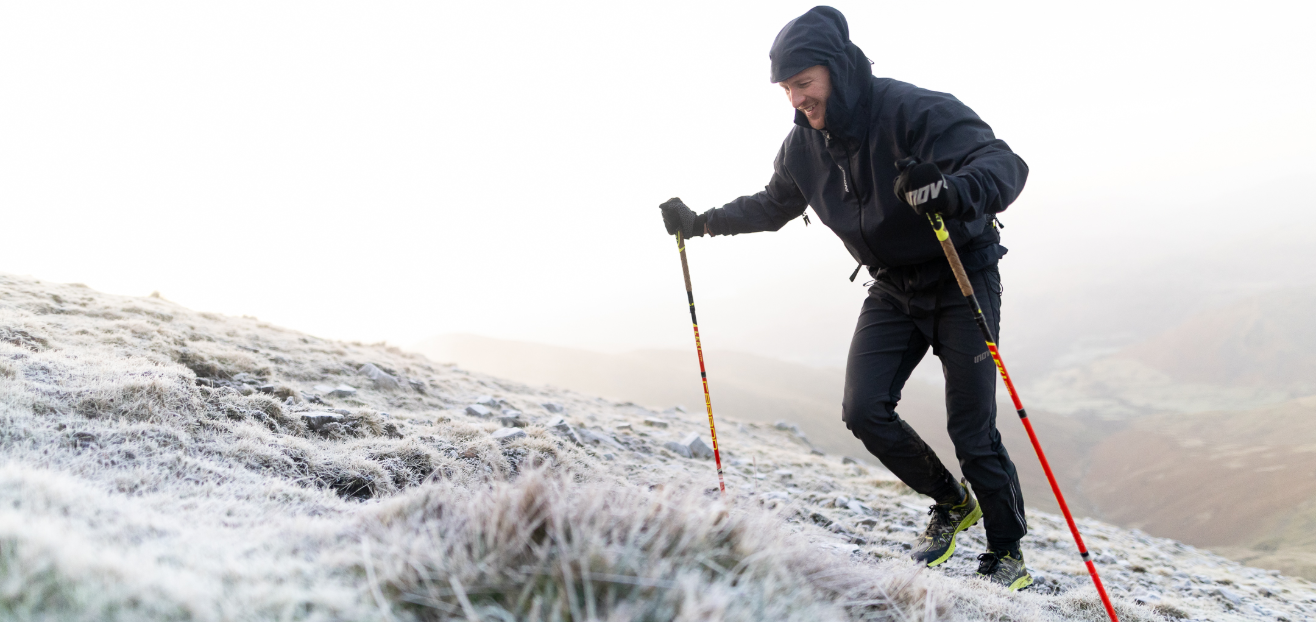
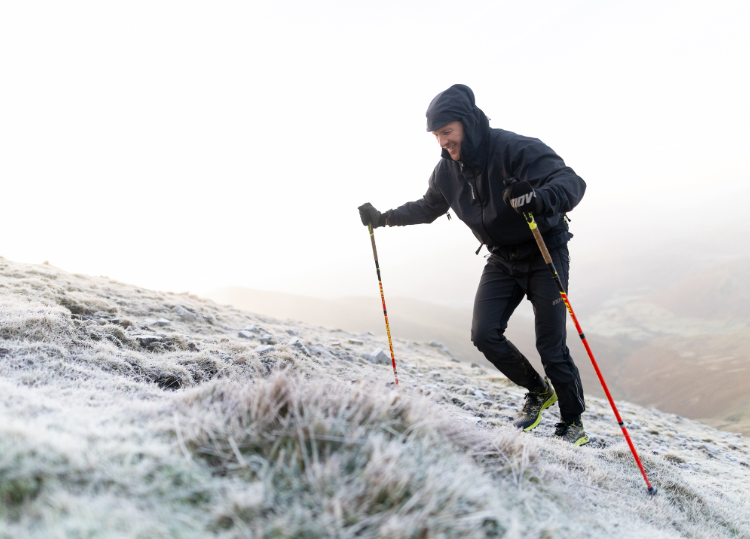
The weather and conditions across both rounds were close to perfect for winter. While there wasn’t a huge amount of snow on the ground, there was plenty of ice, frozen bogs, hard frost, biting winds and consistently freezing temperatures, which really defined the challenge.
To come away not only having completed Double Winter Bob Graham, but also setting the overall record, is a huge bonus. It genuinely played out just as I had imagined and hoped it would, which makes the whole experience even more special to reflect on.
Was the record always in your sights, even before the start?
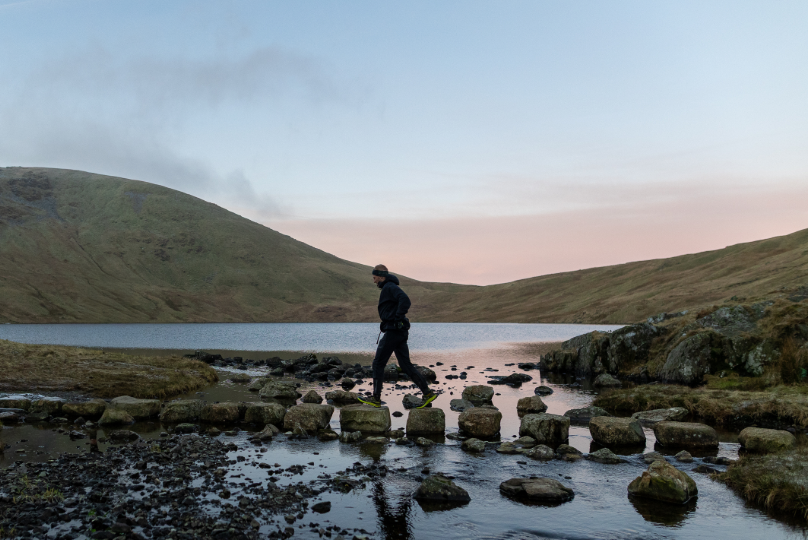
Initially, the goal was simply to complete the challenge within 48 hours. It wasn’t until around five days before the start that my coach, Kim Collison, challenged me to consider the overall record, with a 21-hour schedule for the first round and 22 hours for the second. That shifted the mindset.
In the end, I finished just nine minutes off the projected end time and had to really push the pace over the final couple of miles to come in under 43 hours.
The record certainly wasn’t something I’d been fixated on from the outset, it only really entered my thoughts in the final week, but once it was on the table, it became something to commit to fully.
How tough was it turn around and start a second consecutive Bob Graham Round?
I tried to approach the challenge as ten individual legs rather than two separate rounds. I knew that as soon as I started thinking about having to do the whole thing again, it would be very easy to talk myself out of it. Breaking it down helped keep the focus on what was immediately in front of me.
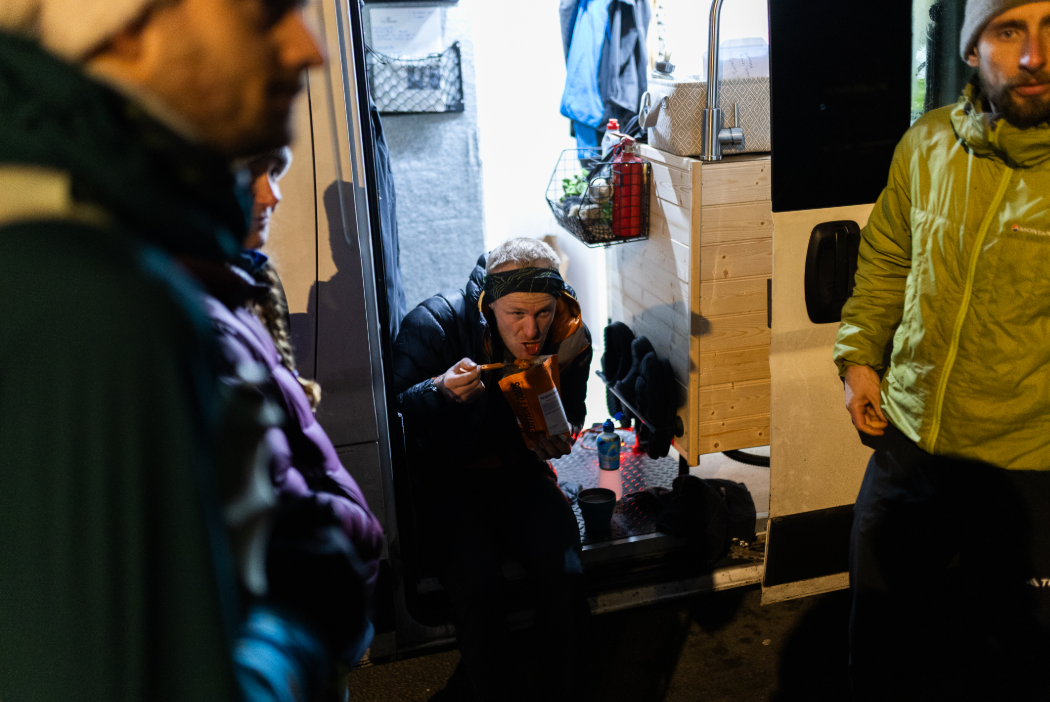
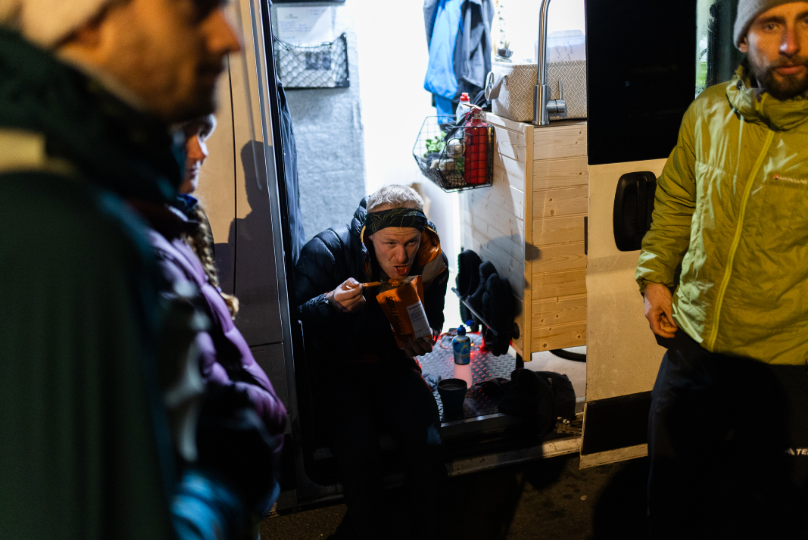
The aim was to keep moving as consistently as possible over the two days and minimise stopping time. I spent no more than about 20 minutes in the van in Keswick before heading back out again for the second round. That was just long enough to get some proper food in (spaghetti bolognese hit the spot), a much-needed coffee, change clothes and switch to fresh shoes.
Of course, the thought of repeating all the legs did creep in at times, but I made a conscious effort not to dwell on it and instead stay focused on the next section ahead.
How did the two rounds compare - the second being inevitably harder?
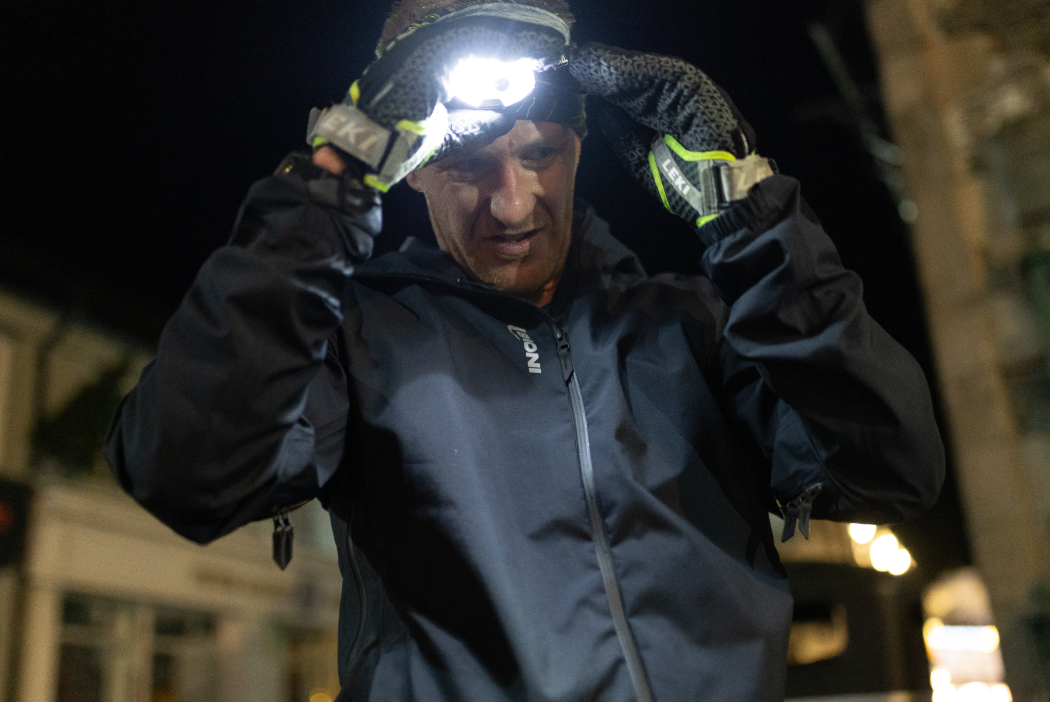
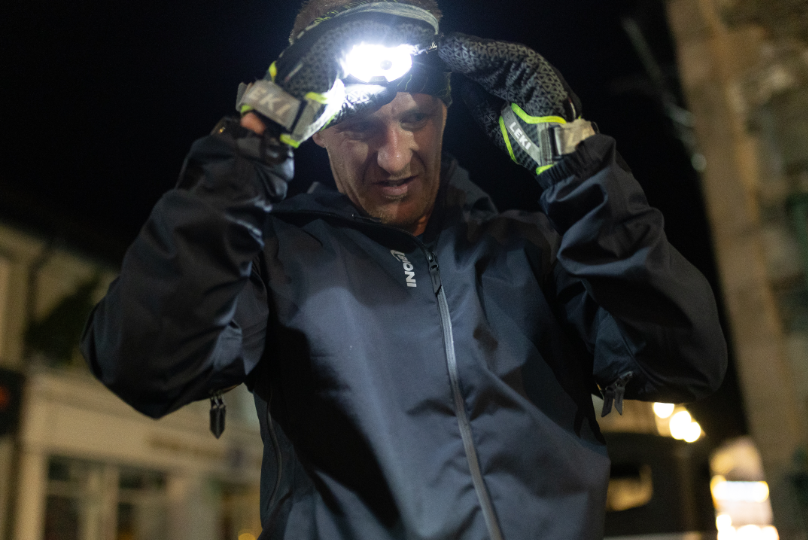
The two rounds were very different experiences. The first round genuinely felt like a great day out in the hills with friends, everything felt relaxed, controlled and comfortable, and I never felt like I was forcing the pace. The body was fresh, the mind was clear, and it all flowed naturally.
Inevitably, the second round was harder on multiple levels. The pace dropped compared to the first, and sleep deprivation really started to creep in through the later stages of the long night and into the second night. Mentally, it required a much more deliberate focus. I felt that I could still climb the hills reasonably well on the second round, but the descents were noticeably slower, my legs just didn’t want to respond in the same way, and there wasn’t much I could do to change that.
At that point, it became less about pushing and more about managing, staying efficient, keeping moving forward, and trusting that consistency would get me through.
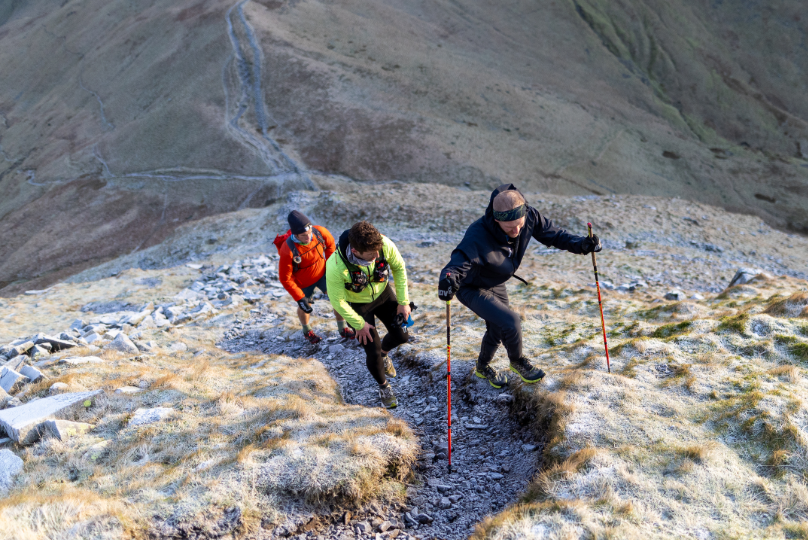
What were the conditions like up high on the fells?
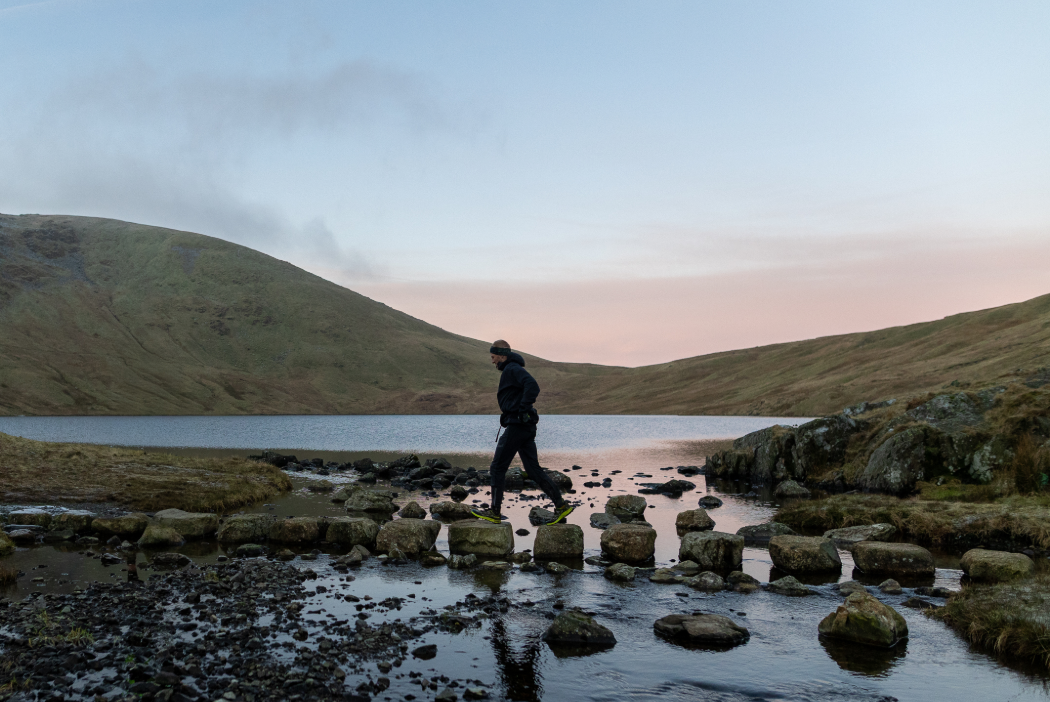
The conditions were pretty much perfect, exactly what I’d hoped for a midwinter attempt. I deliberately left the planning until the last minute so I could commit when the best weather window appeared, and it paid off.
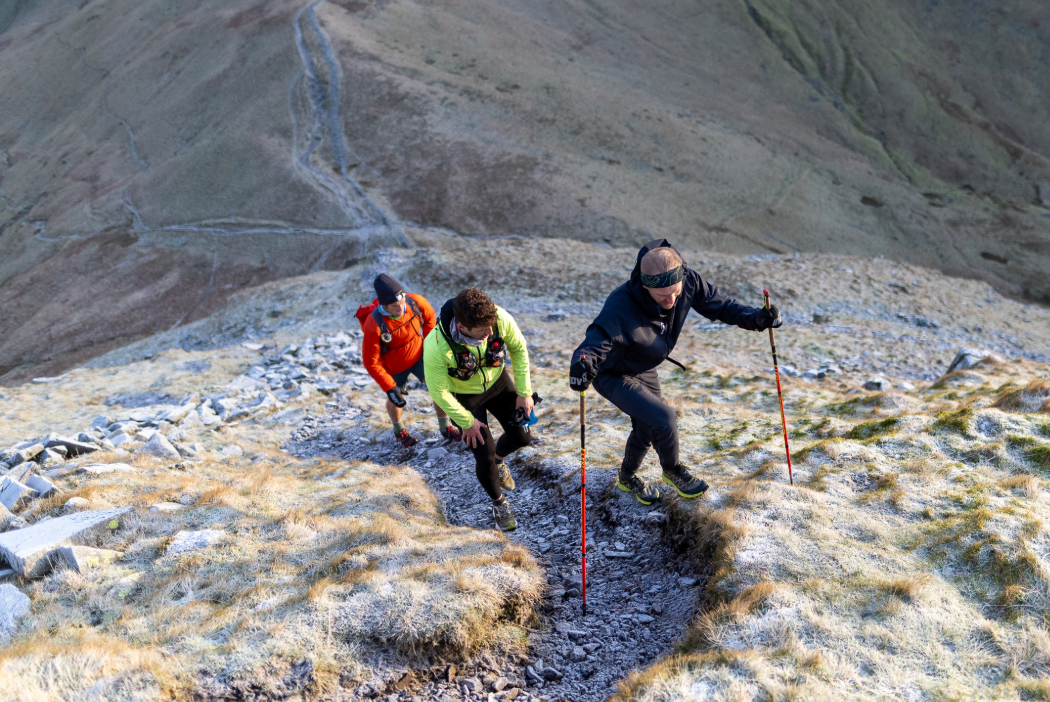
Much of the normally boggy terrain was frozen solid, which made a huge difference underfoot. There was plenty of ice around, most of it avoidable, although some sections like the initial chimney coming down from the West Wall Traverse on Scafell, was inevitably icy and made for some exciting, technical terrain.
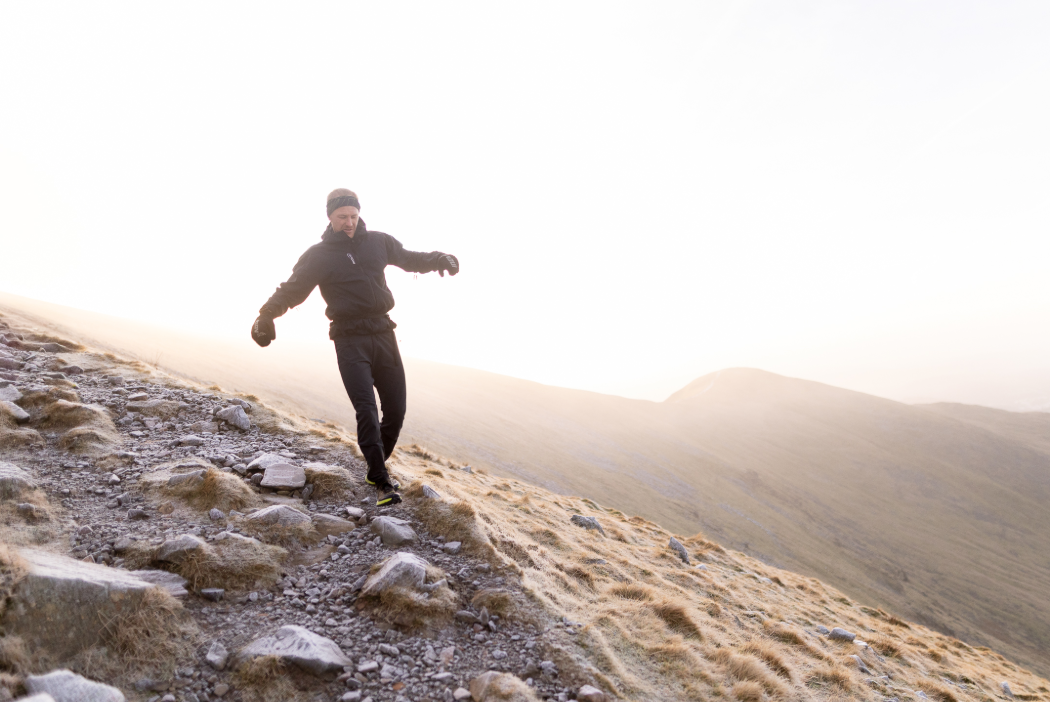
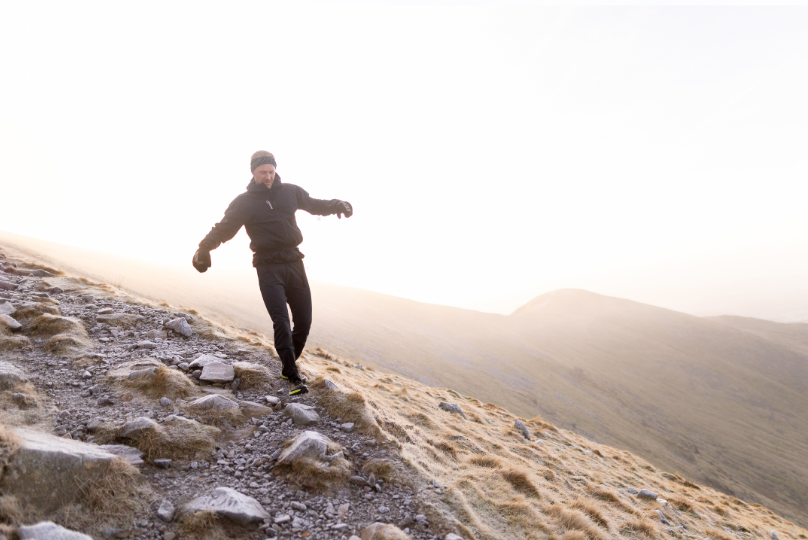
There was consistent frost throughout both rounds, whitening the rocks and ground and really reinforcing the winter feel. Weather-wise, it was fantastic overall – mostly clear, relatively calm and, aside from a few overnight legs, there was little wind. All in all, it was about as good as winter conditions get for something of this scale.
What were the main highlights and the toughest moments?
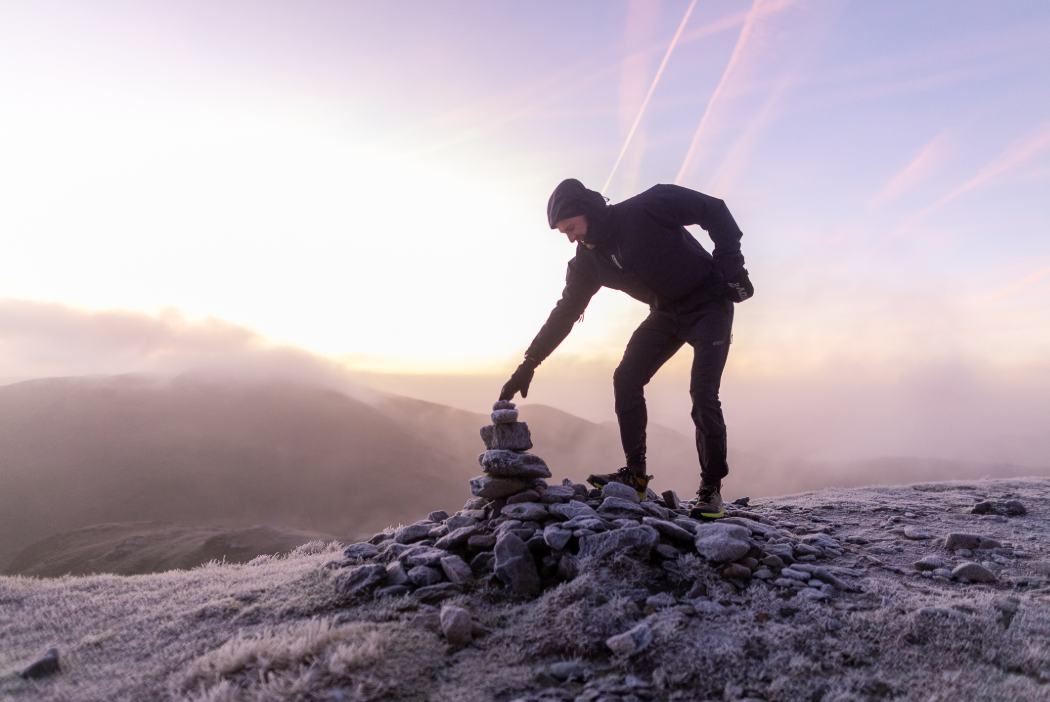
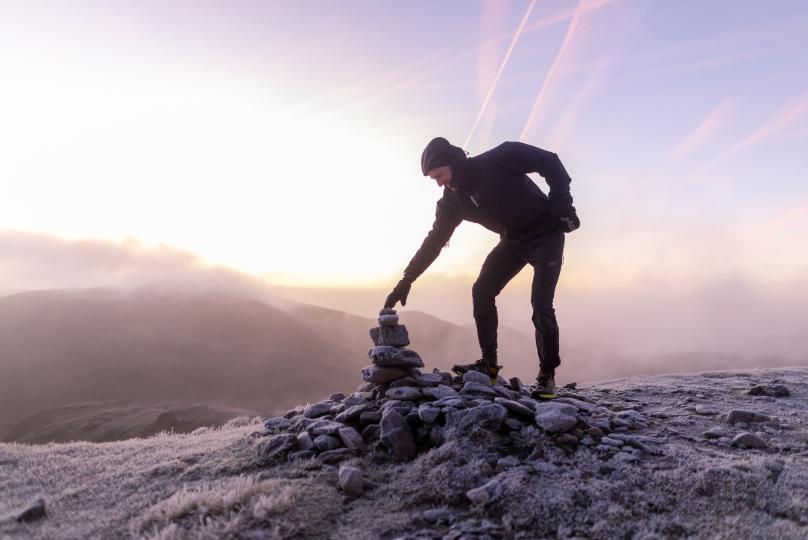
There were so many highlights, but a few moments really stand out. Watching the early dawn light break across the Lake District from Dale Head on the first round was incredibly special and set the tone for what was to come. Sharing the journey with friends, some of whom I hadn’t seen in a while, and collectively enjoying the winter conditions made the whole experience feel far more than just a solo challenge like previously.
Another real highlight was the Dunmail to Wasdale leg on the second round. The views were stunning, with wispy cloud and frost whitening the ground. Having a few people come out to join me for sections of that leg made it even more memorable and gave a real lift at a time when it was starting to get tougher.
The hardest moments came later in the challenge, particularly during the final stages of the 16-hour-plus night. Fighting off the sleep demons became a real challenge, and staying alert meant relying heavily on caffeine and constant focus just to keep moving safely and efficiently.
It was a huge team effort - how important was their role?
This was absolutely a team effort in every sense. While I was the one covering the ground, there’s no way this would have been possible without the incredible support and pacers around me.
From the outset, the organisation at road crossings was seamless – hot food ready, kit changes handled efficiently, and decisions made calmly and clearly, which allowed me to keep moving and stay focused on the running rather than the logistics.
Out on the fells, the pacers played a huge role. They helped with navigation, pacing, and decision-making, especially through the night and in winter conditions where fatigue and cold can quickly cloud judgment. Just as importantly, they provided company, reassurance, and morale when things inevitably got hard. Knowing that people were willing to give up their time, sleep and comfort to be part of the journey was incredibly motivating and gave me a real lift when I needed it most.
It genuinely felt like a shared achievement, and I’m eternally grateful to everyone who played a part in making it happen.
You used MUDTALON™ SPEED shoes throughout – how did they perform?
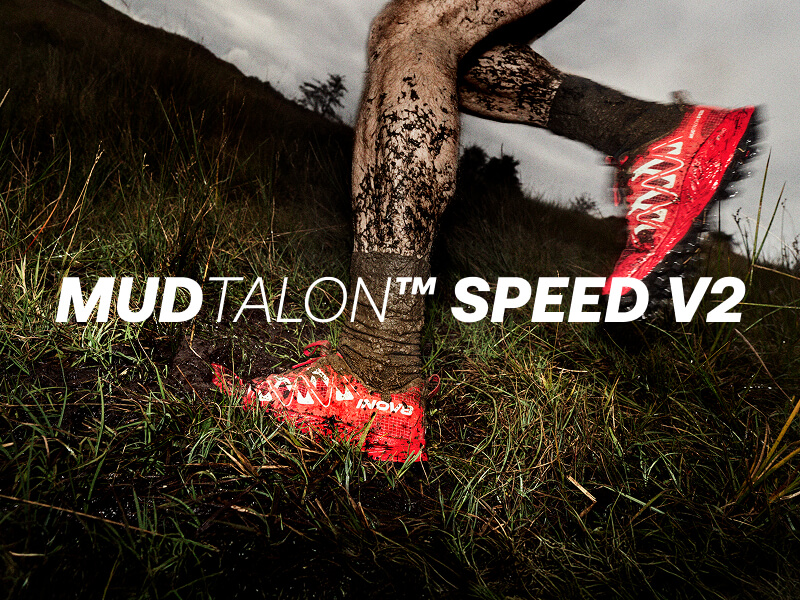
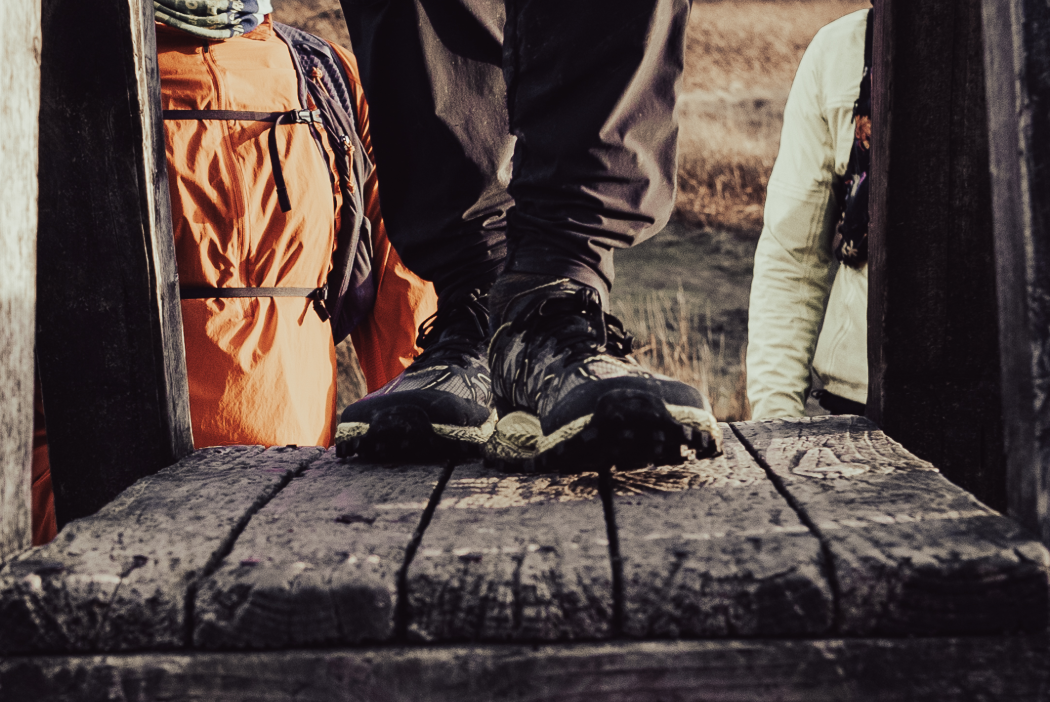
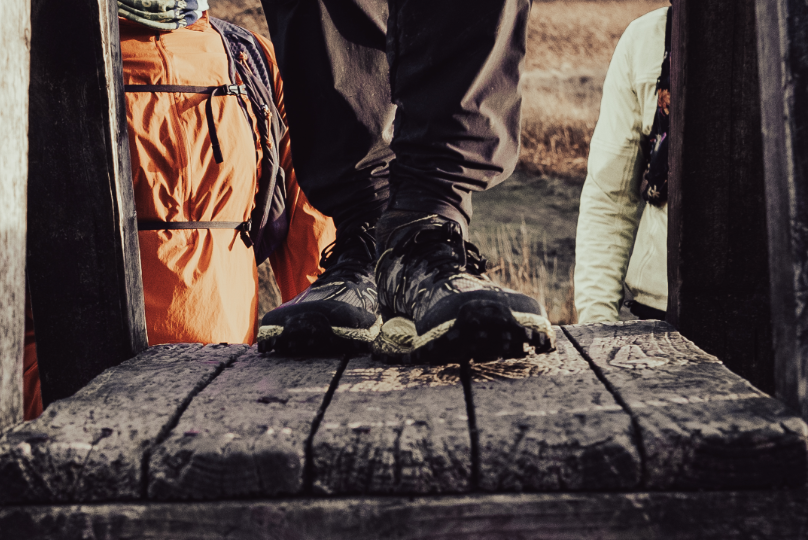
I used two pairs of the MUDTALON™ SPEED shoes across the rounds – one pair of the new V2s for most of it and, for one very wet section at the start of the second round, a pair of the older V1s.
The V2’s really stood out for me. The sticky grip was noticeably better, especially on rock, and they felt incredibly secure and confidence-inspiring. The fit was also extremely comfortable, even over long hours, and that made a huge difference.
Importantly, I had no foot issues at all, no hotspots, no rubbing, and no loss of comfort, which is about the biggest compliment you can give a shoe over something of this duration.
The VENTURESHELL waterproof and CLIMASHELL PRO ALPHA insulation jacket are both new. How did they both perform?
I used both extensively and they performed perfectly for the conditions I faced.
The weather stayed dry throughout the attempt, but the VENTURESHELL was still an invaluable piece of kit. I relied on it not just to block the wind, but also to retain warmth during the colder, exposed sections. It breathed really well, and I’m excited to put it to the test in more typical ‘Cumbrian’ weather in the future.
The CLIMASHELL PRO ALPHA insulation jacket was equally impressive. It offered just the right amount of warmth without ever feeling bulky or restrictive, even during slower periods. It packed down easily, was comfortable to wear for long stretches, and struck a fantastic balance between insulation and breathability.
Used together, the two jackets made a seamless system, giving me confidence in reliable protection and warmth across the rounds, without any excess weight or unnecessary kit. I ended up wearing both for a large portion of the attempt, and they proved to be spot-on throughout.
What’s next? Do you have big plans for 2026?
There’s always something on the horizon, and my list of ideas seems to grow endlessly! I’ve got a few plans in mind for 2026, but I’m still working out the timing. I can give you one hint though - it’s going to involve spending plenty of time in the hills.
And finally, where does this rank alongside your other records?
This one definitely has to be up there. I felt like I delivered a strong performance, keeping stops to a minimum and staying as efficient as possible, all while going without any sleep at all.
The combination of intensity, scale and winter conditions makes it one of the toughest and most memorable challenges I’ve done.
*All photos by Jamie Rutherford @jmruther4d