









How do you train for a race of indefinite length? The answer is to make yourself as robust as possible, ready to keep going in a race that could last days.
The Backyard Ultra format was founded by Lazarus Lake (of Barkley Marathons fame if that name sounds familiar). It’s simple. Every hour a runner must complete a 4.167 mile lap (or yard). They must complete this within the hour. The race continues in this way – either for a predetermined number of yards, or until only one competitor remains. In this the Backyard Ultra event is unique – no one knows how long the race will last, and for all but one, the race will end in a DNF.
For most people, a Backyard Ultra is going to last anything up to two days, although the world record currently stands at 119 laps for men and 95 for women (set by our own Sarah Perry in 2025). To prepare you for such a herculean challenge, we asked top ultra runner and former coach Laura Swanton-Rouvelin – who is experienced in the backyard format – to devise a training plan to get you to the start line in the best shape possible.
In This Guide
Before You Start
The first thing before entering any training plan, is to ensure you’re fit and well to do so. If in any doubt speak to your doctor.
A Backyard Ultra is not an event to be entered into lightly. It’s advisable to have at least completed an ultramarathon before, and to be used to spending long periods on your feet. Week one of this training plan has five runs and a long run of two hours – it then progresses from there.
Be honest with yourself – suddenly increasing mileage, speed or hill work risks injury. If your fitness is not quite there, add weeks to the beginning of the plan to build yourself slowly up to being able to start the plan properly. Also be sure to work strength training into your weekly plan. Set aside time to work on core muscle groups. See these six essential strength exercises for trail runners.
General Training Principles
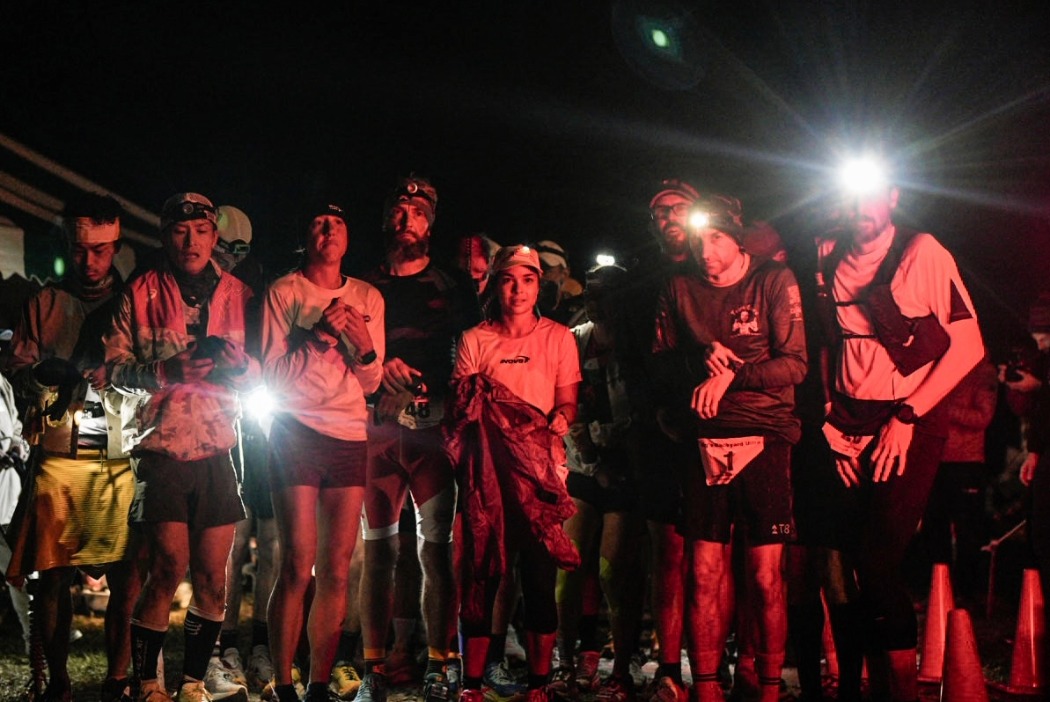
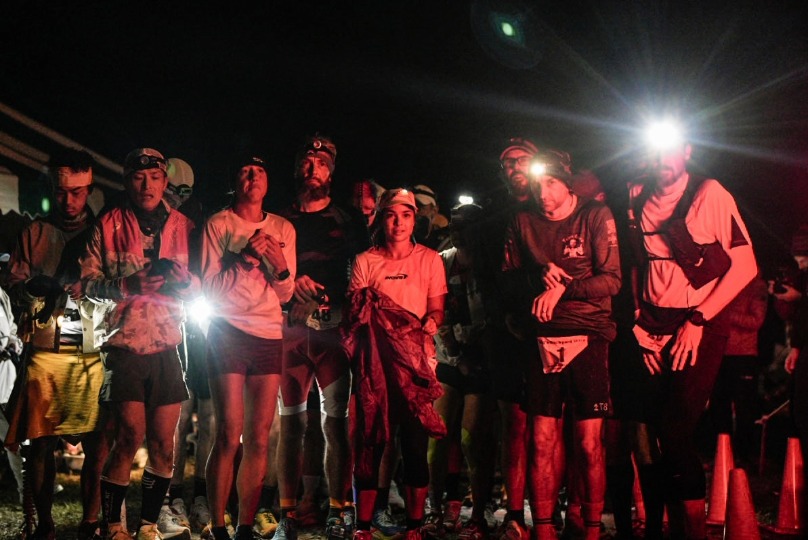
This training plan has been designed to get you comfortable with what you’ll experience at the event. Many of the long runs incorporate some element of night running – something you will need to get used to during your Backyard Ultra.
In terms of terrain, it’s important to know what you’ll be running on in your event. Most runs should be on trails, but don’t exclude road if sections of the course are on the harder stuff, or if the route changes when it gets dark (as it did at the recent individual World Championships, where the daytime yards were run on trails and the night-time ones on roads).
Know your RPE
It’s important that you’re familiar with your Rate of Perceived Exertion (RPE). Many of the sessions call for an RPE effort. For reference, these are indicators of what efforts should feel like:
- RPE 5 – An easy pace.
- RPE 6 – A consistent, steady effort.
- RPE 7 – A moderate tempo.
- RPE 9 – A sprint effort. Most of your strides should be at this level.
Hill reps
The hill sessions in this plan are short and sharp, so you don’t need to find a big one! Don’t look for the steepest incline, instead look for a steady ascent that you can scale over 20-30 seconds at an effort.
Fartlek/Fast Finish
Your fartlek runs will mix up an easy pace, with shorter bursts of steadier running (RPE 6). These are not sprint intervals. Think of them instead as controlled surges.
As the plan builds ‘fast finish’ runs appear. These sessions start a little quicker than the fartleks, at a steady RPE 6. The last portion of the run then progresses to a moderate tempo (RPE 7). Again, this isn’t a full gas 5K time trial effort. It’s about going through the gears but not pushing it too hard.
Strides
Strides are short, controlled sprints, within a longer easy run. Sprint efforts should be 8-9 RPE.
Long run
These runs are at an easy pace and all about time on feet. Remember to take the fuel that you will use at your Backyard Ultra on your long runs and wear kit that you will wear, including headtorch for night sessions (spare batteries too). As the plan progresses, your weekends will involve back-to-back long runs to build endurance. Some of these runs also aim to simulate your event to, with 4.5-mile laps repeated over several hours.
Laura Swanton-Rouvelin’s Backyard Ultra Training Plan
| Week | Mon | Tues | Weds | Thurs | Fri | Sat | Sun |
|
1 |
Easy run – 1 hour RPE 5 | Hill Repeats – warm up, 4 x 20 seconds uphill RPE 9, 90 seconds rest, cool down (50mins workout) | Rest day | Easy run – with 4 x 20 seconds strides RPE 8-9, 2 mins walk between – 50 mins workout | Easy run – 1-hour RPE 5 | Rest day | Long easy trail run – flat/rolling hills – 2 hours |
| 2 | Rest day | Hill repeats – 6x20 seconds uphill RPE 9, 90 seconds rest, cool down (50 mins workout) | Easy run – 1 hour | Rest day | Easy run with strides 6x20 seconds RPE 8-9, 2 mins walk between – 54 mins workout | Easy run – 50 mins | Long Easy trail run – flat/rolling hills 2hrs30 |
| 3 | Rest day | Hill repeats 6 x 30 seconds with 90 seconds rest – warm up and cool down – 1-hour workout | Easy run – 1 hour | Rest day | Easy run with strides 8x20 seconds warm up and cool down 1 hour workout | Easy run – 1 hour | Long easy trail run – include some running in the dark – 3 hours |
| 4 | RECOVERY WEEK – to absorb previous training. Rest day | Easy run – 1 hour | Steady run – RPE 6 – 1 hour | Rest day | Easy run – 1 hour | Easy run – 50mins | Long easy trail run – flat/rolling hills – 2hours |
| 5 | Easy run – 1 hour | Farklek session 10-15 min easy effort RPE 5 11 * 1 min fast (5km effort) alternated with 2 mins steady RPE 6 Finish the run at easy effort RPE 5. 50 mins workout. | Rest day | Hill repeats – 6x30 seconds, 60 seconds rest/recovery, warm up and cool down – 1 hour workout | Easy run – 1hour | Rest day | Long easy trail run – hilly – 3 hours |
| 6 | Rest day | Farklek session 10-15 min easy effort RPE 5 10 * 1 min fast (5km effort) alternated with 2 mins steady RPE 6. 50 mins run | Easy run – 50 minutes | Hill repeats – 4x30 seconds, 60 seconds rest/recovery, warm up and cool down – 1 hour workout | Rest day | Long Easy trail run with loops – find a 4-5mile loop and repeat. 3.30hrs – Think of pace – strategy for BYU. How much time do you want between loops? | Long easy trail run -hilly – 2 hours |
| 7 | Rest day | Farklek session 10-15 min easy effort RPE 5 12 * 1 min fast (5km effort) alternated with 1 mins steady RPE 6 Finish the run at easy effort RPE 5 – 50 mins session | Easy run – 50 mins | Hill repeats 4 x 30 seconds, 60 seconds rest/recovery – 1 hour workout | Rest day | Long easy trail run to include some running in the dark – 4 hours | Long easy trail run – flat/rolling hills – 2hours |
| 8 | RECOVERY WEEK – to absorb the previous weeks training Rest day | Easy run – 1 hour | Easy run – 1 hour | Steady run – RPE 6 - 45mins | Rest day | Long easy trail run – hilly – 2 hours | Easy run – 1 hour |
| 9 | Rest day | Fast Finish 60 mins Keep the first 50 mins at a consistent steady effort (RPE 6) before pushing the last 10 mins into a moderate tempo (RPE 7) for a faster finish. | Easy run – 1 hour | Steady run RPE 6 – 50 mins | Rest day | Long easy trail run – loops of 4-5miles – 3 hours – think of strategy for backyard pacing – how much rest between loops – practice this pace. | Long easy trail run – hilly – 2 hours |
| 10 | Rest day | Fast Finish 70mins Keep the first 50 mins at a consistent steady effort (RPE 6) before pushing the last 20 mins into a moderate tempo (RPE 7) for a faster finish. | Easy run – 1 hour | Steady run RPE 6 – 1 hour | Rest day | Long easy trail flat/rolling hills – 3.30hours | Long easy trail flat/rolling hills – 1.30hours |
| 11 | Rest day | Fast finish 80 mins Keep the first 50 mins at a consistent steady effort (RPE 6) before pushing the last 30 mins into a moderate tempo (RPE 7) for a faster finish. | Easy run – 1 hour | Steady run – RPE 6 – 70 mins | Rest day | Long easy trail run – incorporate some night running – 5-6 hours. | Rest day |
| 12 | TAPER TIME – Rest day | Fast finish 45 mins Keep the first 30 mins at a consistent steady effort (RPE 6) before pushing the last 15 mins into a moderate tempo (RPE 7) for a faster finish. | Easy run – 1 hour | Steady run – RPE 6 – 35 mins | Rest day | Long easy trail run – flat/rolling hills – 2hours | Rest day |
| 13 | Easy run – 1 hour | Rest day | Easy run with strides 4 x 20 seconds with 2 mins walk recover between – 45 mins workout | Rest day | Rest day | BYU EVENT |
About Laura
Laura Swanton-Rouvelin is an experienced ultra-runner who has multiple 100-mile and 200+ mile race wins under her belt. She is also a former running coach, a mum-of-three, and works in the NHS.
Fuelling & Hydration For A Backyard Ultra
The fuel and hydration strategy that’s worked for you in previous ultras, should work for you in a Backyard Ultra too. As with any ultra-distance event, it pays to train using the fuel and drinks you will use in the race.
For Backyard Ultras, it’s good to consider your ‘downtime’ and ‘on the go’ fuelling strategies. At the end of each lap, you will hopefully have a few minutes to consume more substantial food. At the same time, sometimes you will have to fuel when you’re out on the course.
World-record holder Sarah Perry offers this advice: “I personally recommend lots of savoury foods such as pretzels, salted potatoes, noodles and of course any sports nutrition that works for you.”
Backyard Ultra - Essential Kit
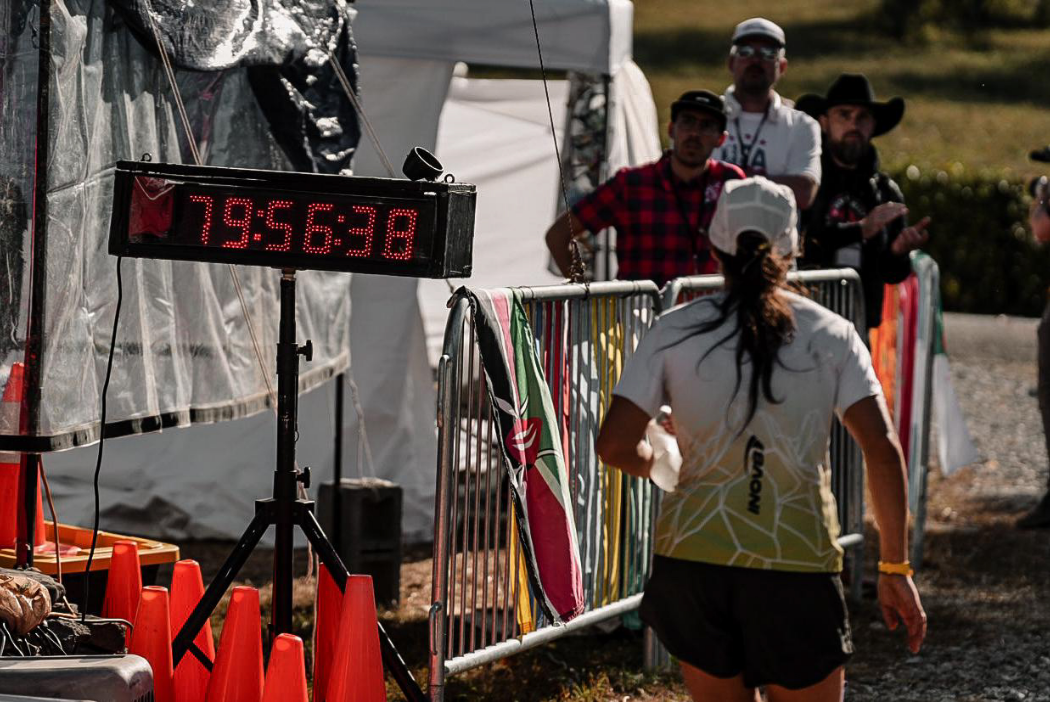
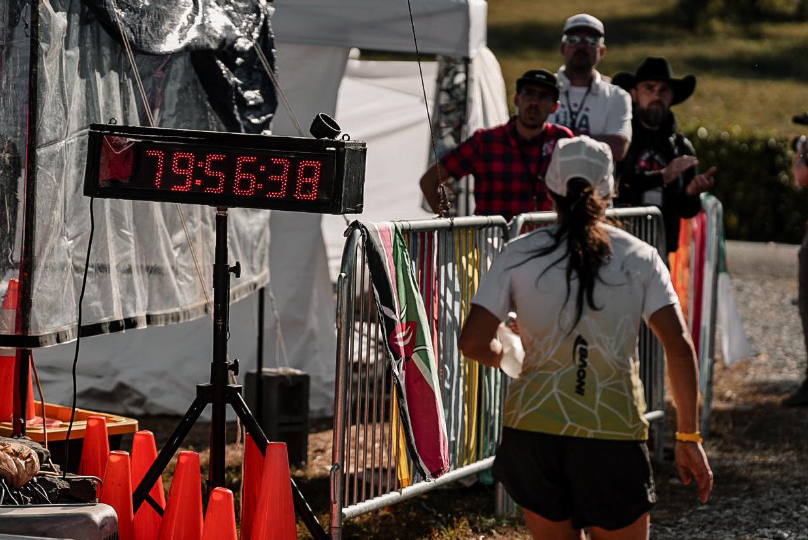
In a Backyard Ultra you’ll have a tent or a place where you can keep spare gear. Unlike traditional ultras, you don’t have to worry about massive kit lists or carrying everything with you.
The most important thing is to have a support crew. Pick someone who’s attentive, supportive and anticipate what you’ll need.
On top of any fuel and fluids you’ll want to take on, you should consider:
- Multiple pairs of running shoes – you’ll want trail runners or road runners, or both depending on the terrain. Consider a reserve in a larger size than normal, as your feet swell during the race.
- Race vest – although you don’t need to carry loads of gear with you during laps, you might want to wear a pack on some to carry on the go nutrition, spare layers, headtorches, etc.
- Waterproofs – you’ll be running for a long time. Chances are you might get wet. Depending on the time of year, you might even want to consider a couple of sets of waterproofs so you can alternate.
- Multiple base and insulating layers – bring a few options. You’ll be running day and then night, so the one thing you know for certain is that the temperature is going to fluctuate. As you sweat as well, you might want to change clothes to stay comfortable. Pack lots of spare socks too.
- Hat and gloves – protect your extremities in the cold! You might want a couple of pairs of gloves too to alternate, and consider a waterproof option if it’s likely to be wet. On the flip side, a sun cap can be invaluable on hot days (as well as rainy ones where you want to keep the rain out of your eyes).
- Headtorch – you might want to pack a couple of torches. Bring plenty of spare batteries. A power back might be helpful too, so your support crew can recharge any torches with integral batteries between night sessions.
- Personal care – a small first aid kit, blister plasters, sun cream, lube. Consider a towel, wet wipes and toothbrush to help you feel a bit more human between laps.
Final Thoughts
The ultimate test of endurance, a Backyard Ultra is a race like no other. Whether you run for 20 laps or 100, it’s critical to train in a way that allows you to challenge your limits… and then surpass them. We hope you enjoy Laura’s plan- and that you achieve your goal.