
On May 6th I had to withdraw from the Cocodona 250 with a hamstring injury. I was 91 miles into the US race, which is 255 miles in total. It was a very difficult and hard decision to make.
My training and preparation were outstanding, enjoyable and right. But at this level, 91 miles is not enough – it’s only about 35% of the entire Cocodona course. The race got away from me, and I quit.
The negatives had built up and a hamstring twinge at mile 51 had gotten out of control. There was too much time left in the race for me to survive.
Normally I look at the clock and view the remaining mileage left as an opportunity to move through the field. Not this time.
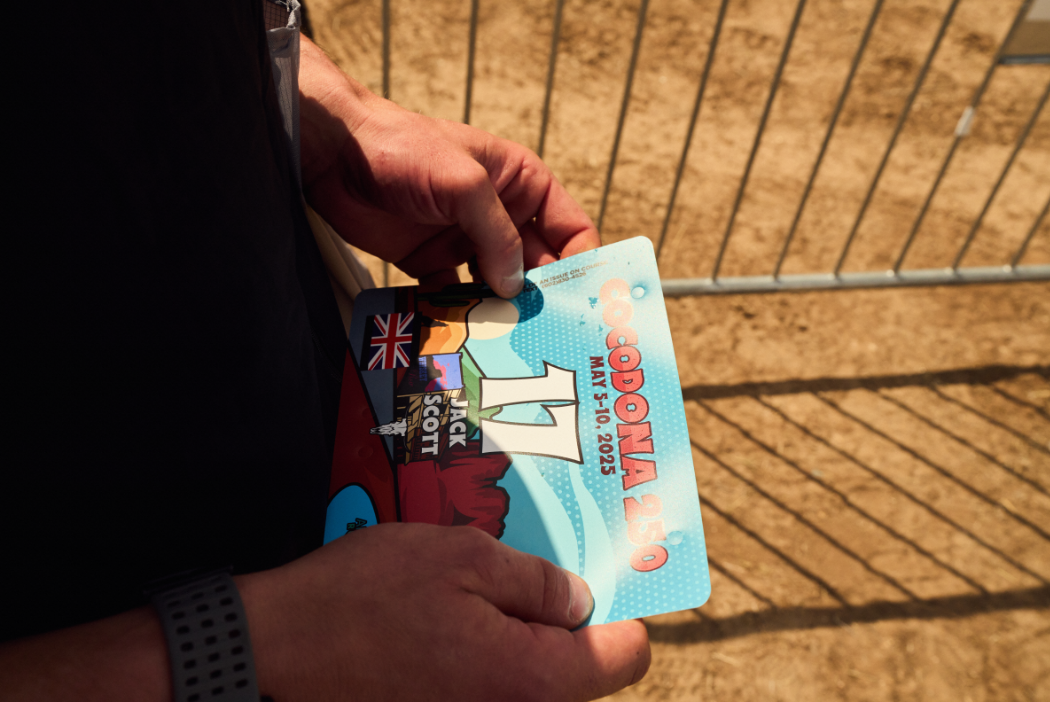
I hobbled to the DNF tent and handed in my bib. Ryan (INOV8 photographer and my only support crew member) offered to do it for me as I lay there in the truck. I declined and went to the tent – I had to face it myself.
A tough few days out and a missed chance. The race weather in Arizona was cooler than predicted, the race was as fast as I thought it would be, and shortly after I dropped things at the front end really began to develop.
We booked a late-night motel and got some sleep. I woke later that morning, pulled my flights forward, and was back in the UK 36 hours later – but not without incident.
Early into the flight home a passenger had a problem, and we had to do an emergency landing. It added four hours onto the journey.
Seeing this happen – something real outside of the running bubble – led me to nod to myself, reflecting that life goes on and that I need to ‘wake up.’
I decided to read the imaginary chapter from the imaginary running book I've written. I picked a chapter I’ve preached about to my coaching clients for years. Did not finish, absorb it, remember it, use it. My hamstring felt uncomfortable but not sore.
THE PATH AHEAD
The week after Cocodona I had four physio appointments to help with the hamstring issue and took 10 days off running to strengthen, eat well and cross train. I also made the decision to return to work as a steel fixer after a seven-week break to focus on my exploits in America.
Aware there were selection races looming for the World Mountain & Trail Running Championships – to be held in Spain in September – I decided to shift my focus. I wanted to see if I could turn things around, qualify, and look for ‘redemption.’
Ok, it felt greedy, risky and unrealistic, but sometimes this sport allows for these emotions and characteristics to manifest. I talked to my wife and committed to ticking the following boxes before entering the two selection races:
- 2 x easy undulating runs with random sporadic surges.
- 2 x flatter tempo runs on the road.
- 1 x long steep hill rep session.
- Feel and find increased confidence / new growth in the gym.
- 4 x sauna exposure to reignite my dormant heat training for Arizona.
- Gain a feel-good factor around training and running again.
After the second undulating run, I decided to enter the Scafell Sky Race, to be held 17 days later. This was the ‘short (27 miles)’ selection race for the GB national team. The course map showed it traversed some very difficult terrain, especially if the weather was bad.
When researching the selection races, I noticed how technical and exposed they were, this filled me with confidence. If the selection races had been on easier running trails I wouldn’t have stood a chance. That top end turnover and cadence wasn’t present for me, but the technical, exposed nature of the races were more likely to compliment some of my strengths. These strengths needed waking up, but I felt I had time to do that.
Power, agility and work-rate on tough terrain, where a fast mile might look like 17:12 pace but you’re working extremely hard for it. That’s what I felt confident in aiming for. Not a 5:10 trail mile – the hamstring couldn’t have handled that.
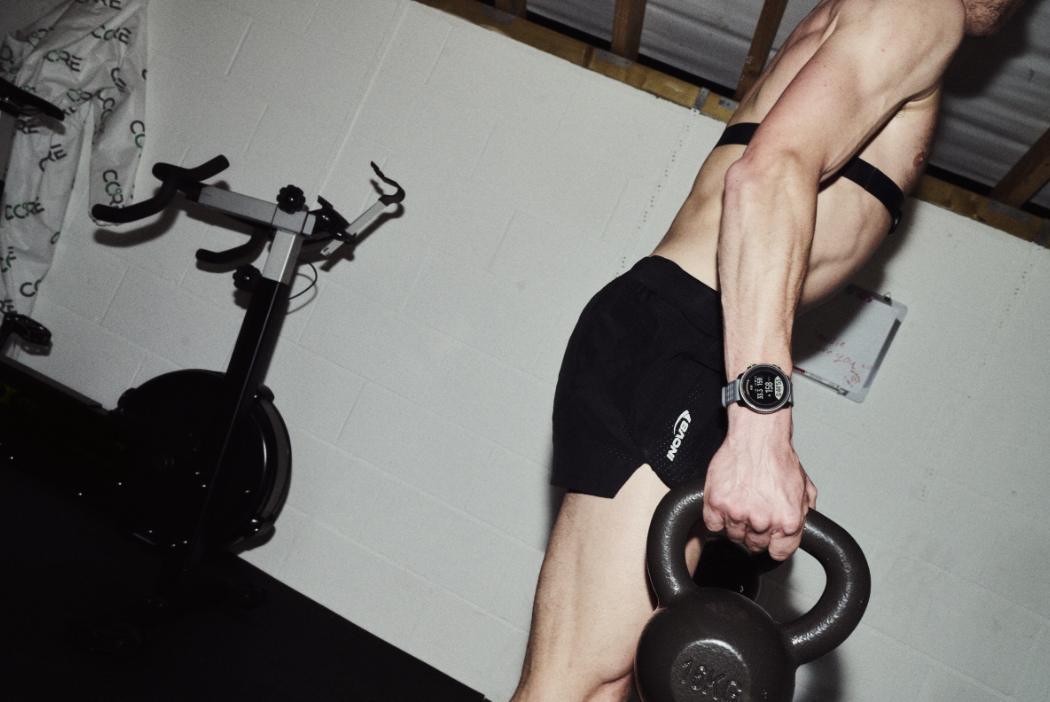
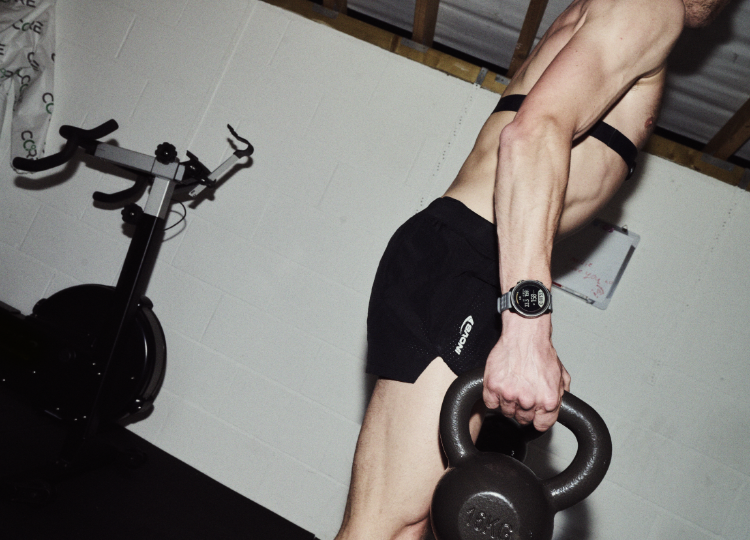
I told my wife I’d entered after hitting a personal best on a wall sit gym session and during a farmers carry workout. She’s replied with something I'll remember for some time. “You’ll get what you deserve.” I thought, “You’re f****** right, maybe I deserve to fail again because of this fast turnaround.”
However, I could feel an emotion and some momentum growing. My body was onside, but I had no idea how I'd fair when the crunch came in the race and I had to lose control.
SCAFELL SKY RACE
I raced and finished fourth in a very competitive field. The first five all broke Tom Evans’ course record and finished within five minutes of each other on a day when conditions were awful.
There was a point in the race – late on where I dropped to sixth place in the clag on top of Bowfell – where I was down, hurting and drifting. The two gents in front of me took a bad line off the top and I gained maybe 20 seconds. I navigated a very technical section beside the famous slab, then contoured out of the clag to see the third-place runner maybe one minute ahead. Within four minutes I'd gone from chasing my tail and thinking I’d made a mistake racing, to chasing down the podium. It was an interesting moment, and from there I pushed on looking forward, not back.
It hammered home to me that ANYTHING can happen in these races. Tough terrain, fast pace, big prizes. You race to the line.
I was happy with my performance and grateful to finish a race without my body letting me down. I’d had a chance and missed the podium by just under two minutes. The team selection criteria suggested I’d fallen just short.
Before entering Scafell Sky Race, I’d also lined up the ‘long’ selection race – the 14 Peaks Ultra that traverses some big lumps in Snowdonia. 33.5 miles, 13,500ft. I knew the course well and believed that no matter what happened, my race at Scafell would complement a better and stronger performance at the 14 Peaks.
I now had another fast turnaround between races. Just three weeks to be exact...
BETWEEN SCAFELL SKY RACE AND 14 PEAKS ULTRA
Disaster struck. The morning after Scafell I woke up ill – an allergic reaction to something post-race that resulted in my body being covered in hives.
That – mixed with the stress on the body and brain – forced me into eight days of complete rest. “You’ll get what you deserve.”
I decided to take a week off work because my body was very uncomfortable and, to be honest, I felt sad.
The positives built from Scafell were hiding and it was a difficult spell for me. I got a call to say I’d be a reserve for the short trail team and took some time to decide whether to race 14 Peaks or not.
During this period, I also travelled to London with my wife and did some socialising. This was planned prior to Cocodona as a nice reset where we could eat, drink and have some normal time. However, when it came around, it couldn’t have come at a worse time. I was ill, uncomfortable and drinking Guinness. Not the standards of an international runner.
The hangover was pretty bad, but the skin was showing signs of repair. I decided to start training again on the Monday.
Monday rolled around and I was in my gym. I did a warm-up and went to move a steel bar I've lifted maybe 3,000 times over the years. I took the weight and smiled to myself in the mirror, I knew what was coming with my next step. My back had ‘gone.’ I finished the session and slept on it. The next day it was very, very painful. I couldn’t even get my socks on.
The race, at this point, was just 12 days out. I couldn’t run but did manage four very specific gym sessions over the next seven days and got extra physio.
I continued to work on uphill power and cadence which is what I felt was lacking during the Scafell Sky Race. Heavy step ups, wall sits and plyometrics, mainly.
I ate and slept well and set my sights on a last-minute trip to Snowdonia the following Sunday to recon Tryfan’s north ridge and a new race line up Crib Goch. I decide that if it went well, I would race. If not, then I would have run out of time and instead rely on my reserve spot for the short trail team.
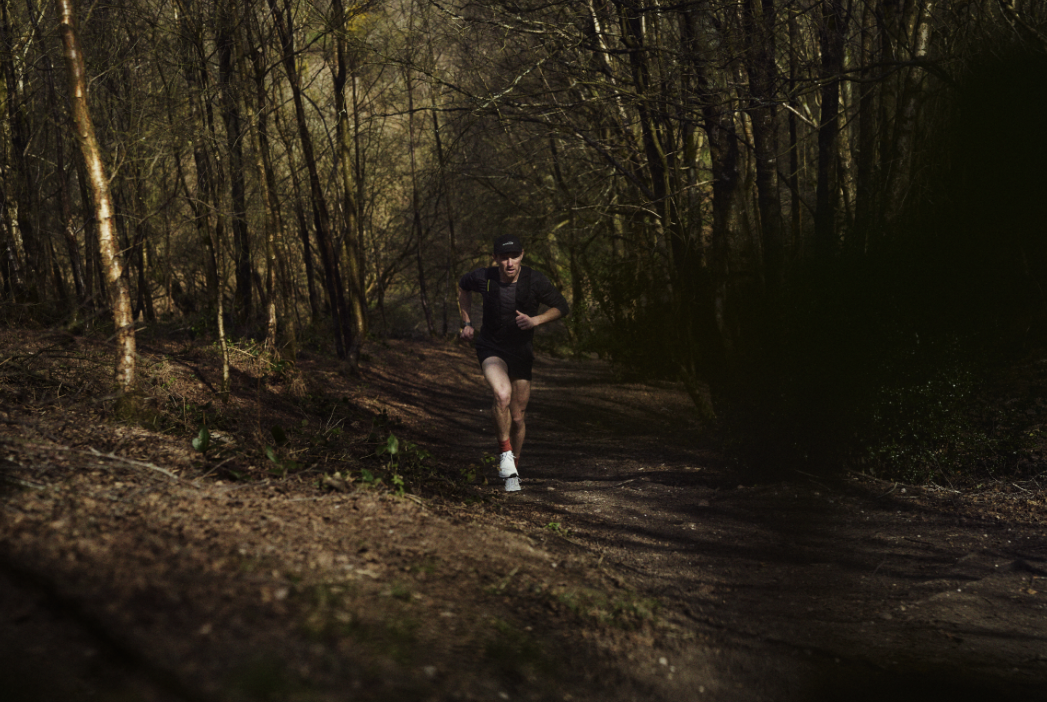
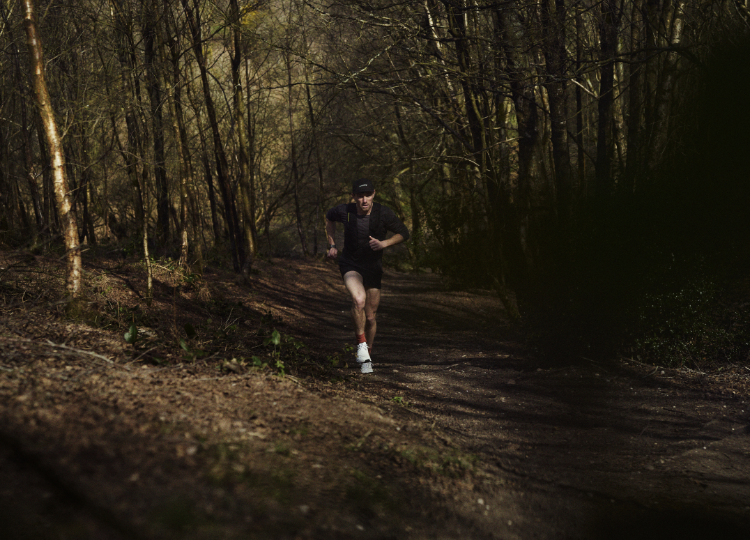
I got up a 4am. The weather looked good. I decided to travel light - 1 gel, no pack to protect my skin and a water bottle to refuel from a stream within the Glyder. I had around 13 miles and 6,500ft to cover. Nothing drastic or special, I just wanted to enjoy it.
The run went incredibly well. I wouldn’t say I felt ‘fit,’, but I was light on my feet, mobile and happy. That was enough. I decided to race.
My training for the three weeks between the two races:
- 7 days illness, complete rest.
- 3 days back injury, complete rest.
- 4 gym sessions
- 4 runs, 1 x race specific recon
- 4 physio appointments
- 1 hangover
14 PEAKS ULTRA
This was a race of two halves. The first section of the course headed from sea to summit over the runnable Carneddau tops before a ridiculously difficult second half.
I built a race plan to stretch things out early. I was ranked fourth on the start line but had just run a very competitive time at Scafell, which none of the other gents could match.
I felt there wasn't enough time or favourable terrain in the second half of the race for a runner to make significant gains on those in front, unless there was an injury, fall, navigation error or serious hydration/nutrition issue. I kept saying to myself “save 5%, feed the good wolf, be positive.”
I felt desperate on the start line, it wasn't nice, but to play in the big league you’ve got the deal with this. To have something I'd wanted for so long, so close and to have a chance was beautiful. I just needed to tie together a smart race. I didn't plan on winning the race, that wasn’t the goal. I knew a top two finish with my strong run at Scafell also in the mix would give me a very good chance of being selected.
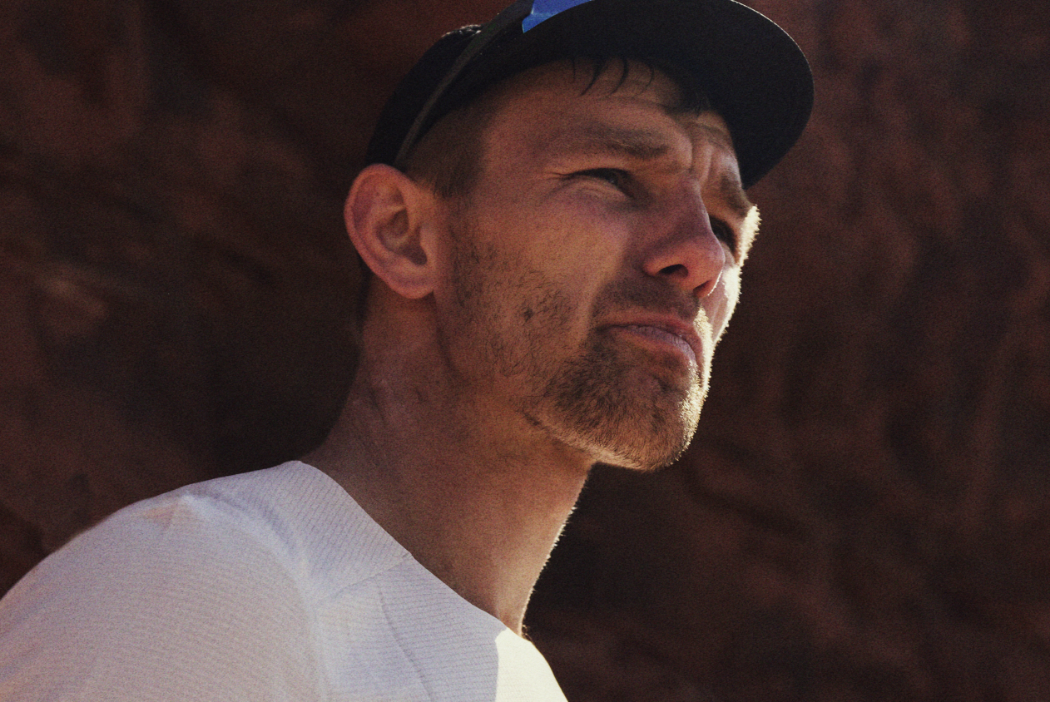
I ran 6:48:50 and finished second at 14 Peaks. I was beaten on the day by Hugh Chatfield. Hugh, also coming off the back of a DNF, ran a superb race and had stronger attributes on the killer climb up Crib Goch. He opened a Gap to the finish and was a deserved winner.
At the finish line I was greeted by my wife Jess, dog Winnie, and Angela, the GB team selector. She gave me the nod and a UKA silver medal. She said to expect a phone call.
WHAT NEXT?
To clarify something, I’d rather have not been in this situation. I wanted to finish Cocodona well and go to that place again for the first time since the Spine Race 2024, but it wasn't to be. I had to treat my run in America as a peak training week where I simply picked up a niggle, recover from it, stay calm and try to turn the ship.
I always have a very cautious approach to training and racing. I would rather train little and often but hard, than flood the weeks with unnecessary mileage and risk. Coming back from the US I decided to take a few risks and expose myself to these races.
I wasn’t scared to fail at these selection races. I realised I can deal with that again so soon after a bad race and own whatever happened. That opened the door to race freely with unlimited possibilities, good and bad.
This year's World Mountain & Trail Running Championships in Spain are being held just one month after the UTMB week in Chamonix. This means some runners who are better and more experienced than me have had their head turned to the bright lights, instead of Spain. The door was open for me, and I snuck in to get a spot.
I have done four trial races over the years and have always come up short, beaten by international standard runners. I’ve raced maybe 40 times, over all different distances and on four or five occasions have thought I'd produced something that could be recognised as worthy for an international team. Just not on the right day or at the right time.
I didn't know running for your country was an option in this sport back in 2020 when I started showing signs of potential. I remember receiving a message off Kim Collison encouraging me and I presume other up-and-coming runners to enter a trial race later that year. I went, I raced, and I was beaten. But the lure and dream remained.
When you focus on running distances like the Spine Race or Cocodona, you have to turn your back on this style of racing, and I did that for three years. Only off the back of failure has this door showed itself once more.
As Jess said, “You’ve got what you deserve.”
I've made the team for the long trail race at the World Championships.
I'd like to thank my wife, family, lads at work, the team at INOV8, Dan and his team at Leeds Beckett University, as well as many more.
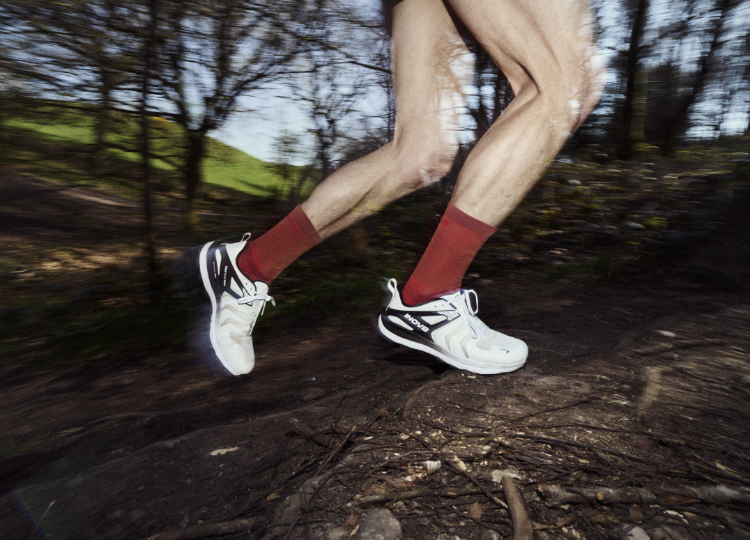
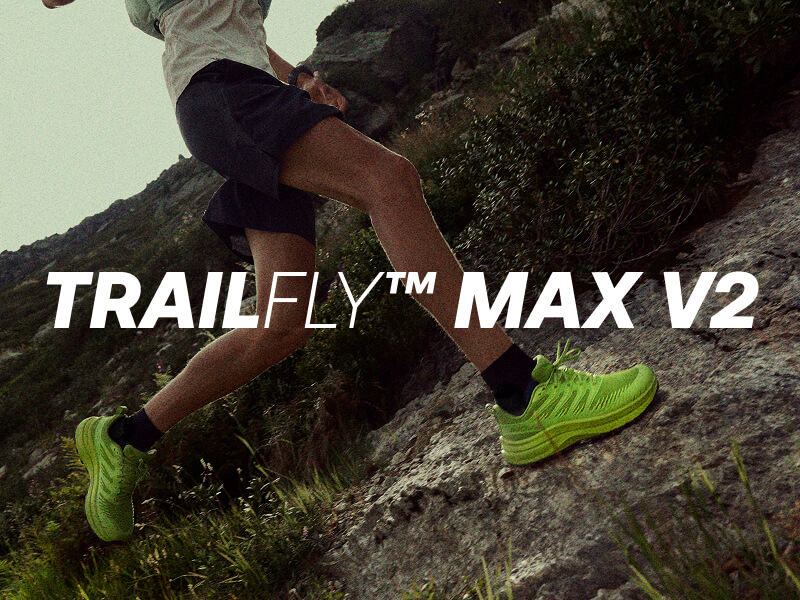
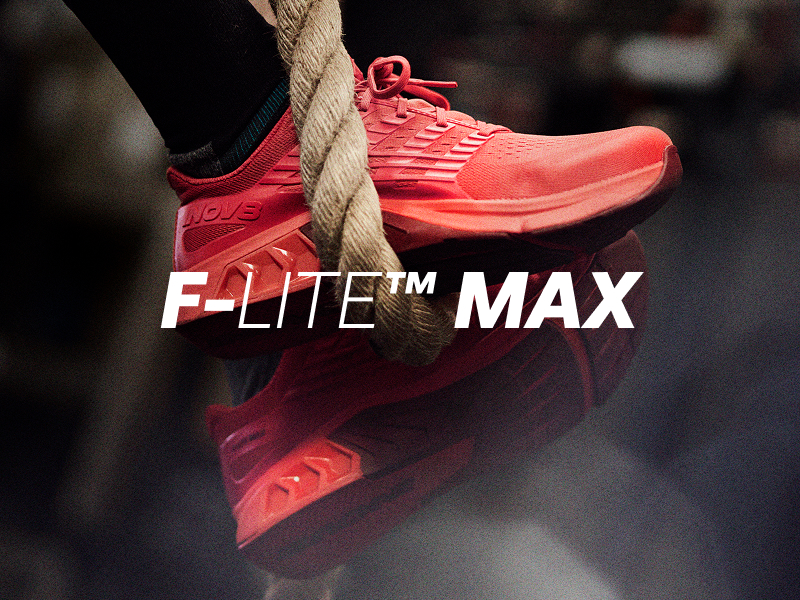
MY SHOE PICK
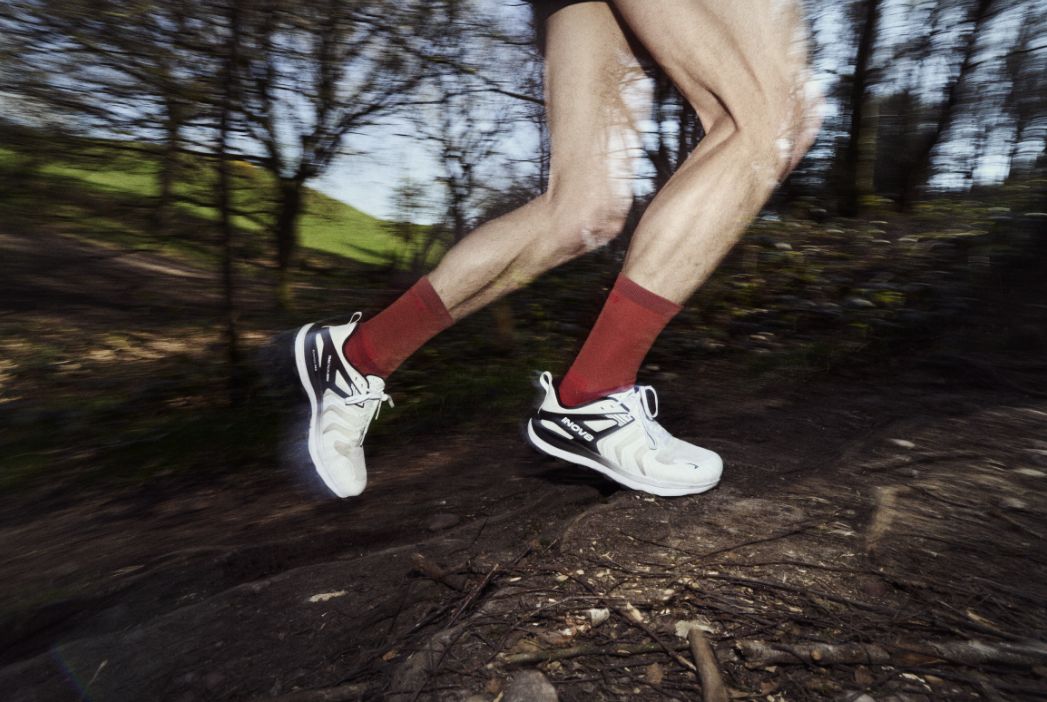
My favourite shoes right now are the new TRAILTALON™ ZERO. They are versatile, aggressive and light. They also have a forefoot foam that gives me a real natural running cadence. I’ve been wearing them in all my races and for much of my training too. In my opinion, the best trail shoes since the TRAILFLY™ G 270 V2 which I wore for the Spine Race.